 |
|
|
|
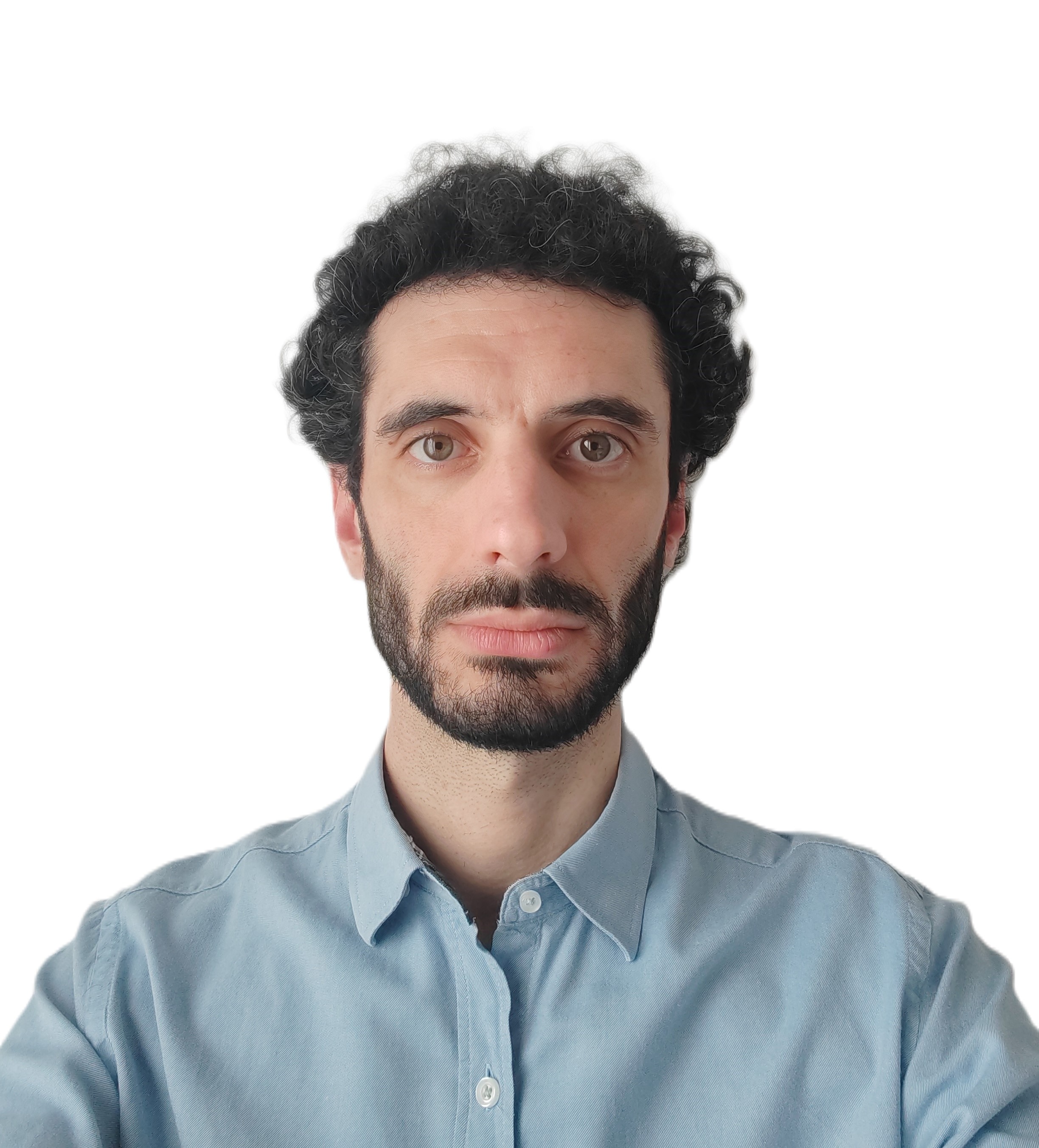
Nicola Bergamaschi (PhD) is a post-doc researcher in European Union law at the University of Parma, Department of Law, Politics and International Studies. In July 2023, he discussed his doctoral thesis on the EU law autonomy principle at the University of Bologna. Author of several scientific contributions, his research encompasses various topics in EU constitutional and institutional law, including the relationship between EU law and international law, the EU's external action, the Common Commercial Policy of the EU, the interplay between WTO law and EU law, the judicial system of the EU, the jurisdictional remedies within the EU legal order of the EU and the EU funding policy. He is currently studying the Union's action on food sustainability and food security in the context of the EU's agricultural and trade policies. Dr. Bergamaschi is also an adjunct lecturer of international trade law at the University of Hamburg, School of Law, teaching in the context of the China EU School of Law (CESL) (2024-2025). Previously, He served as a teaching assistant of international law at the University of Bologna (2019-2021) and post-doc researcher in EU law at the Legal Department of Turin University (2023). In 2021, he was a stagiaire at the Court of Justice of the European Union, working in the cabinet of Judge Prof. L.S. Rossi. In 2022, he was a visiting Ph.D. candidate at the Maastricht Centre for European Law (Maastricht University).
E-mail: nicola.bergamaschi@unipr.it LinkedIn: Nicola Bergamaschi |
Centro Studi in Affari Europei e Internazionali (CSEIA)
Università di Parma
Via Università, 7 (1° piano) - 43121 Parma
